
Genuine blast-resistant glazing standards exist and are used in real military and government contexts, but “military grade” as a label on a retail or commercial blast resistant window film product is not a standardized, verifiable claim. The phrase is often used in marketing, but it doesn’t map to a specific, consistent certification the way recognized testing standards do.
That distinction matters if you’re evaluating a product marketed this way. Below is what “military grade” actually means, and doesn’t mean, in this context, what real blast-resistant standards require, and the questions worth asking before trusting any specific claim.
Key Takeaways
- “Military grade” is not a standardized, regulated term for window film. It’s commonly used as marketing language rather than a specific, verifiable certification.
- Genuine blast-resistant glazing standards do exist and are used in real government and military contexts, separate from how retail products are marketed.
- Standalone film without proper anchoring does not meet the same standard as a fully engineered, tested blast-resistant glazing system.
- A product’s real, defensible function is fragment retention, not blast immunity, regardless of what marketing language is used to describe it.
- Asking for specific test documentation, rather than accepting a marketing label, is the only reliable way to evaluate a “military grade” claim.
The Short Answer
Genuine blast-resistant standards exist and are used in real military and government contexts, but “military grade” is not a standardized claim for retail window film.
Standalone film without proper anchoring doesn’t meet the same standard as an engineered, tested glazing system, so verify any specific product claim against real documentation rather than the marketing label alone.
What “Military Grade” Actually Means (and Doesn’t) in This Context
“Military grade” is a phrase used across many industries, not just window film, to imply exceptional durability or performance. It doesn’t correspond to a single, universal certification body or testing standard that every product marketed this way actually meets. A product can legally be called “military grade” without having been tested against any recognized standards that genuinely apply to blast-resistant glazing for institutional or government use. This doesn’t mean every product using the phrase is misrepresented, but it does mean the phrase alone tells you very little about a specific product’s actual, tested performance.
Part of why this phrase persists in marketing is that it sounds authoritative without requiring the manufacturer to specify exactly what standard, if any, the product meets. Compare this to a claim like “tested to ASTM F1642,” which references a specific, checkable standard with defined testing criteria. “Military grade” makes no such specific reference. A buyer hearing the phrase reasonably assumes it implies rigorous, standardized qualification, but in practice it may reflect a manufacturer’s internal marketing decision rather than an external testing body’s assessment.
Real Blast-Resistant Standards That Do Exist
Recognized testing standards for blast-resistant glazing exist and are used in genuine institutional and government contexts, including ASTM F1642, which addresses glazing performance under blast-hazard conditions, and the unified facilities criteria used in federal and military construction. These standards involve specific, documented testing protocols, not a general marketing label.
In our article, we cover the underlying mechanism and how blast-resistant film protects windows, including how testing and ratings work. It’s worth being direct: a specific commercial product marketed as “military grade” is not the same as that product being certified to one of these specific, recognized standards. The two are easily conflated but meaningfully different.
Why Film Alone Isn’t the Same as a Certified Blast-Resistant System
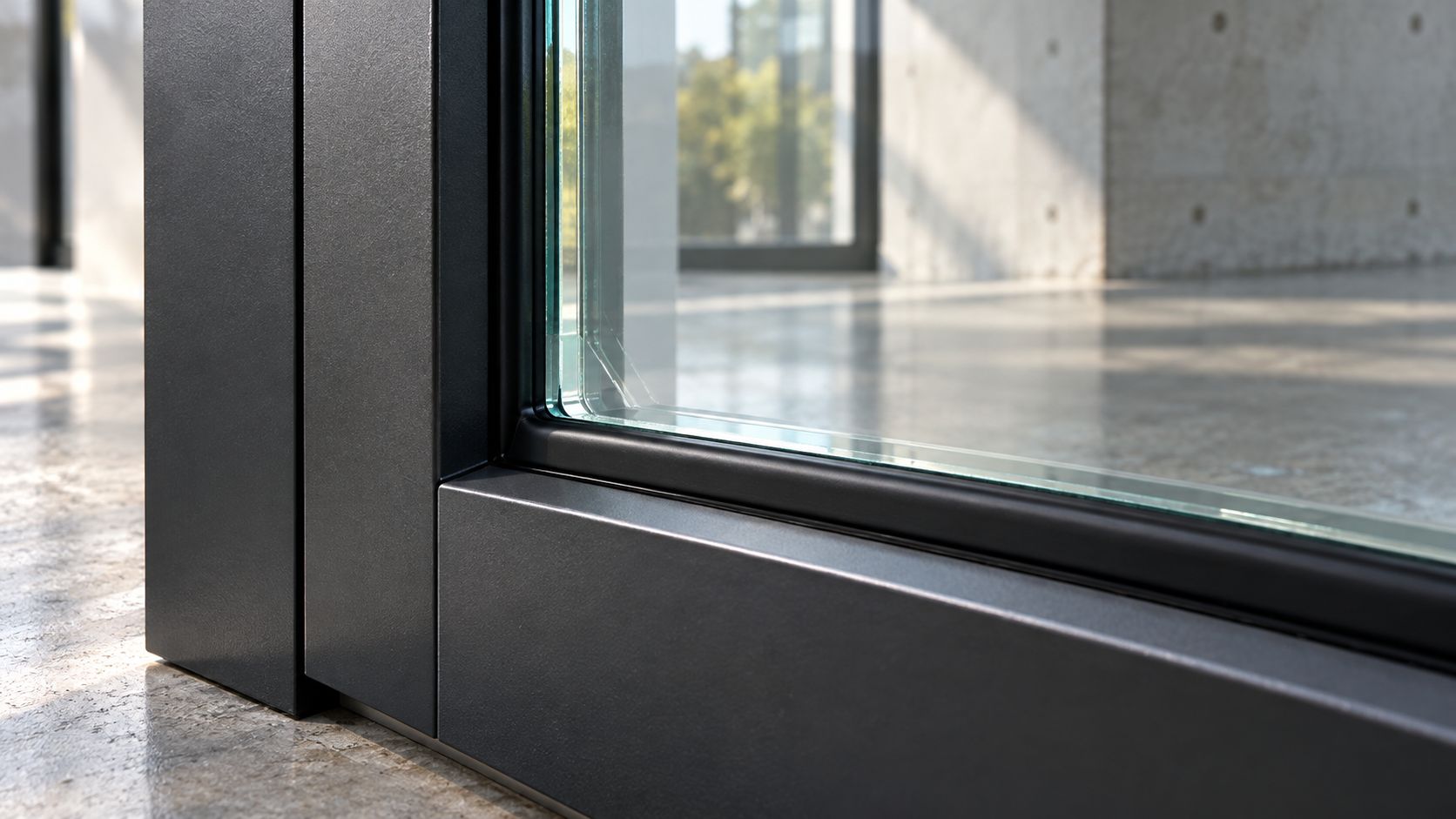
A genuinely tested, standards-compliant blast-resistant glazing system typically involves more than film applied to existing glass. It generally requires the glass itself, the film, and a properly engineered anchoring system at the frame, all tested together as a complete assembly. Film applied to standard glass without that anchoring can still provide real, meaningful benefit, but it isn’t the same product as a fully tested and certified blast-resistant glazing system. A “military-grade” label on a standalone film product doesn’t change this distinction. Anchoring and full-system testing separate a genuinely certified assembly from film alone, regardless of how the film is marketed.
What Film Can Realistically Contribute
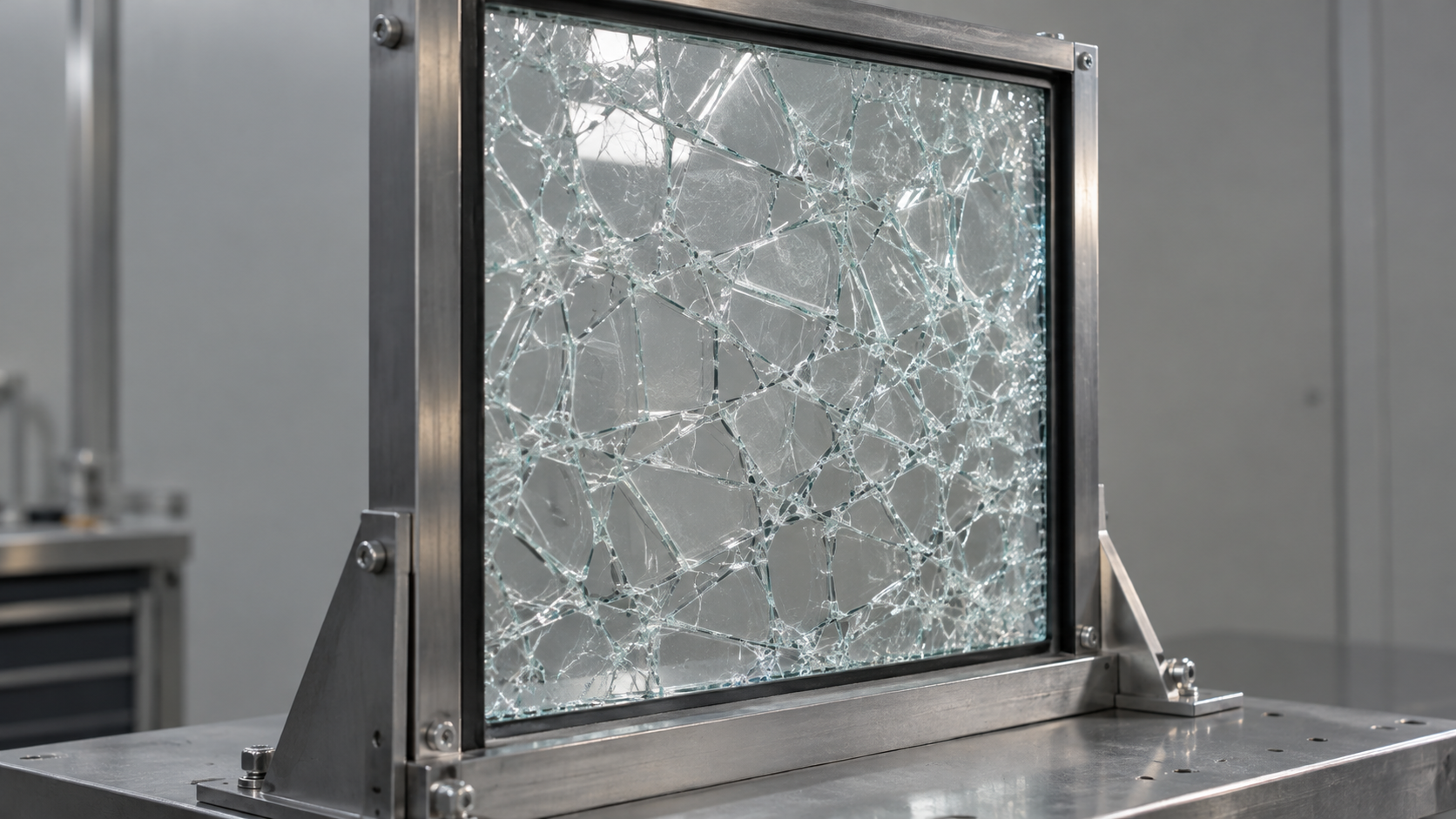
Regardless of marketing language, window film’s real, defensible contribution is fragment retention, keeping broken glass held together rather than scattering into loose pieces after an impact. According to the International Window Film Association, fragment retention is the documented, industry-recognized function of security and safety film, distinct from any specific brand’s marketing terminology.
This can meaningfully reduce injury risk and add delay in a range of impact scenarios. It does not make a window immune to a blast, and no film product, regardless of how it’s labeled, should be understood as eliminating risk. Evaluating a specific product on its actual, documented fragment-retention performance is more useful than evaluating it on a marketing term alone.
Why This Kind of Language Is Common in Security Marketing
“Military grade” isn’t the only vague, impressive-sounding phrase used in security-adjacent marketing. Terms like “unbreakable,” “impenetrable,” and “maximum protection” appear often across the broader security product industry, not just in window film, and none of them correspond to a specific, standardized meaning the way a recognized testing standard does.
This pattern exists because vague, confident-sounding language markets more easily than a specific technical specification, even when the underlying product may genuinely perform well. This kind of language in a product’s marketing isn’t automatically disqualifying. Still, it shifts the burden onto the buyer to request the documentation that backs the claim, rather than accepting the language at face value.
Questions to Ask Before Trusting a “Military Grade” Claim
Ask specifically which recognized testing standard, if any, the product has been tested against, and ask to see that documentation directly rather than accepting a verbal or marketing claim alone. Ask whether the tested performance applies to the film alone or to a complete, anchored glazing system, since these represent genuinely different levels of protection.
Ask whether “military grade” refers to a specific certification or is being used as general marketing language, and treat a vague or evasive answer as a signal to look elsewhere. A legitimate, reputable manufacturer or installer should answer these questions directly and provide real, verifiable documentation.
Comparison Table
| Claim | What It Actually Requires |
|---|---|
| “Military grade” (marketing term) | No standardized meaning; verify with actual test documentation |
| ASTM F1642 or similar recognized standard | Specific, documented testing protocol for blast-hazard glazing performance |
| Film alone, no anchoring | Fragment retention only, not a certified system |
| Film with engineered anchoring, tested as a system | Meets the bar for a genuinely certified blast-resistant assembly |
Conclusion
Genuine blast-resistant standards exist and are used in real military and government contexts, but “military grade” as a label on a retail film product isn’t a standardized, verifiable claim on its own. Standalone film provides real, meaningful fragment-retention benefit, but it isn’t the same as a fully engineered, tested, and certified blast-resistant glazing system. Verifying a specific product’s test documentation, rather than relying on a marketing term, separates an informed decision from an assumption about what a product can deliver.
Frequently Asked Questions
Is “military grade” ever an accurate description of window film?
It depends entirely on what specific testing or certification backs the claim. The phrase itself isn’t standardized, so it’s worth asking for the specific documentation for any product that uses this language.
Does “military grade” mean the film is bullet-resistant?
Not necessarily. Bullet resistance is a separate, distinctly tested category from blast resistance, and neither is guaranteed by the phrase “military grade” alone.
What testing standard should I look for when evaluating blast-resistant film?
ASTM F1642 is a recognized standard for glazing performance under blast-hazard conditions, though the right standard depends on your project’s requirements.
Can film alone meet military or government blast-resistant requirements?
Generally, genuine government and military blast-resistant requirements call for a fully tested, engineered glazing system with proper anchoring, not film applied to standard glass alone.
Is it worth paying more for a product marketed as “military grade”?
This depends entirely on whether that specific product has documented testing to back the claim. A higher price alone doesn’t confirm a meaningful difference in tested performance.
How do I know if a vendor’s certification claim is legitimate?
Ask for the specific standard, the testing body, and documentation you can independently verify, rather than accepting a general assurance or a product name that implies certification.
Does film with proper anchoring cost significantly more than film alone?
Yes, generally, since anchoring involves additional materials, specialized labor, and engineering considerations beyond simply applying film to existing glass.
Should I be skeptical of any product using dramatic security-related marketing language?
A healthy amount of skepticism is reasonable for any specific claim, whether it’s “military grade,” “bulletproof,” or similar language, until it’s backed by documentation you can verify directly.
Are there other vague marketing terms I should be cautious about in this industry?
Yes, terms like “unbreakable,” “impenetrable,” or “maximum protection” carry the same issue as “military grade.” None correspond to a specific, standardized testing claim on their own.
Does a manufacturer’s size or reputation make a “military grade” claim more trustworthy?
Reputation can be a reasonable factor to weigh, but it never replaces actual documentation. Even well-known manufacturers should be able to provide specific test results if a claim is genuinely backed by one.
Considering Blast-Resistant Film for Your Property?
Understanding what a product actually does, and what documentation supports each claim, is the first step toward the right decision for your property.
Contact Campbell Window Film to discuss your project’s specific security and glazing needs.