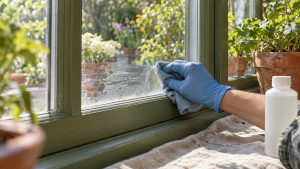
Maintaining commercial window tint the wrong way doesn’t just fail to help. It can void the manufacturer’s warranty that came with your commercial window tint installation, a risk many business owners and facilities managers don’t realize until they try to file a claim. Cleaning practices that seem reasonable on the surface (using a common glass cleaner or having in-house staff handle it without specific guidance) can inadvertently breach the terms that keep your coverage active.
This is worth understanding before an issue develops, not after. Below is what most commercial warranties require, which common practices put coverage at risk, and how to protect both your film’s condition and your ability to actually use your warranty if you need it.
Key Takeaways
- Some common cleaning practices, especially using ammonia-based products and abrasive tools, can void a commercial window film warranty even if they don’t visibly damage the film right away.
- Most manufacturer warranties specify approved cleaning products and methods, and deviating from them can jeopardize coverage regardless of intent.
- Keeping basic documentation of your maintenance practices strengthens your position if you ever need to file a warranty claim.
- When deciding whether in-house staff or a professional should handle cleaning, factor in warranty preservation, not just convenience or cost.
- Warranty terms vary significantly by manufacturer and installer, so checking your documentation is more reliable than relying on general assumptions.
The Short Answer
Your manufacturer’s warranty terms should guide commercial window tint maintenance, since certain common cleaning practices, especially using ammonia-based products and abrasive tools, can void coverage even without causing immediately visible damage.
Review your warranty documentation for approved cleaning products and methods before setting up a maintenance routine to protect both your film and your ability to use your coverage later.
Why Warranty Terms Should Drive Commercial Window Tint Maintenance
Most commercial window film installations come with a manufacturer’s warranty, and that warranty typically includes specific conditions for maintaining the film to keep coverage active. This differs from general “best practice” cleaning advice because warranty terms are contractual, not just recommendations.
A cleaning practice that seems perfectly reasonable, and might even be genuinely fine for the film itself, can still technically breach warranty terms if it doesn’t match what the manufacturer specifically requires. Base your maintenance approach on your warranty documentation, not general online advice, to ensure you’re not inadvertently putting coverage at risk.
What Most Manufacturer Warranties Require
While terms vary widely by manufacturer and installer, commercial window film warranties often specify approved cleaning products (typically excluding ammonia-based cleaners) and prohibit abrasive tools like scouring pads or razor blades that could scratch the film’s surface. Many warranties also require that authorized installers, not in-house staff or unaffiliated contractors, perform any repairs or modifications, since unauthorized work can void coverage even if the original installation and film were never at issue. Some warranties also specify a minimum or recommended cleaning frequency, treating neglect as separate from active damage, since a film left uncleaned for an extended period can develop issues a manufacturer may not consider a covered defect.
Warranty terms may also distinguish between the film itself and the installation work, meaning a defect in the film material might be covered differently than an issue traced to improper maintenance or an unauthorized repair attempt. Reading through your specific warranty document with this distinction in mind, rather than assuming all coverage works the same way, helps set realistic expectations before you ever need to file a claim. Checking your warranty documentation directly, rather than assuming these general patterns apply to your exact product, is the only reliable way to know your actual requirements.
Commercial Window Tint Maintenance Mistakes That Can Void Coverage
Ammonia-based glass cleaners are among the most common ways warranty coverage is jeopardized, often because cleaning staff simply use whatever general-purpose glass cleaner is already on hand without realizing the film’s warranty terms specifically exclude it. Abrasive scrubbers, steel wool, or anything that could scratch the film’s surface carry the same risk, since coverage often explicitly excludes visible damage from an abrasive tool as a maintenance issue rather than a product defect.
Allowing an unauthorized contractor to attempt a repair, even a seemingly minor one like reattaching a lifting edge, can also void coverage, since many warranties require the original installer or another manufacturer-authorized provider to perform any repair work.
Documenting Your Maintenance Practices
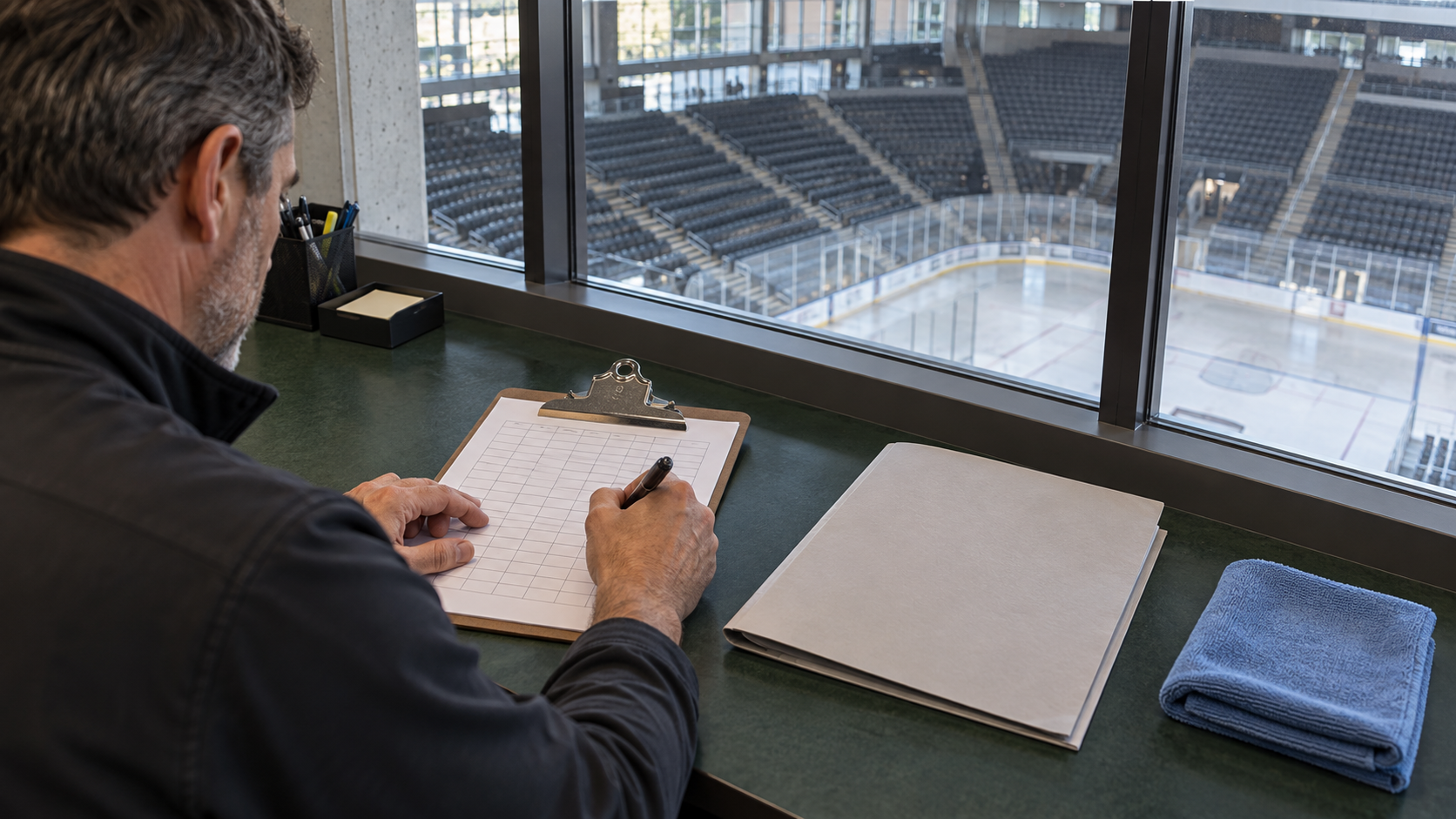
Keeping basic records of your commercial window tint maintenance strengthens your position if you ever need to file a warranty claim. This doesn’t need to be complicated. A simple log noting cleaning dates, products used, and who performed the work is usually enough, and it gives you something concrete to reference if a manufacturer questions whether you followed proper maintenance practices.
International Window Film Association resources reflect the industry’s emphasis on documented maintenance practices when warranty questions arise, underscoring why this simple habit is worth establishing, even though it takes minimal effort. Without this kind of record, a warranty dispute often comes down to your word against uncertainty, which is a weaker position than having documentation to reference directly.
When to Involve a Professional vs. In-House Staff
In-house staff can often handle routine, light cleaning, provided they’re clearly told which products and techniques are approved under your warranty terms, rather than left to use their own judgment. Anything beyond routine cleaning, like bubbling, discoloration, or edge lifting, is better handled by a professional because DIY fixes risk further damage, and many warranties require authorized service for anything beyond basic cleaning to remain valid. Making sure your in-house team understands this distinction, and knows when a situation has moved beyond their scope, protects your coverage as much as the cleaning products themselves do.
Communicating Requirements to Your Facilities Team
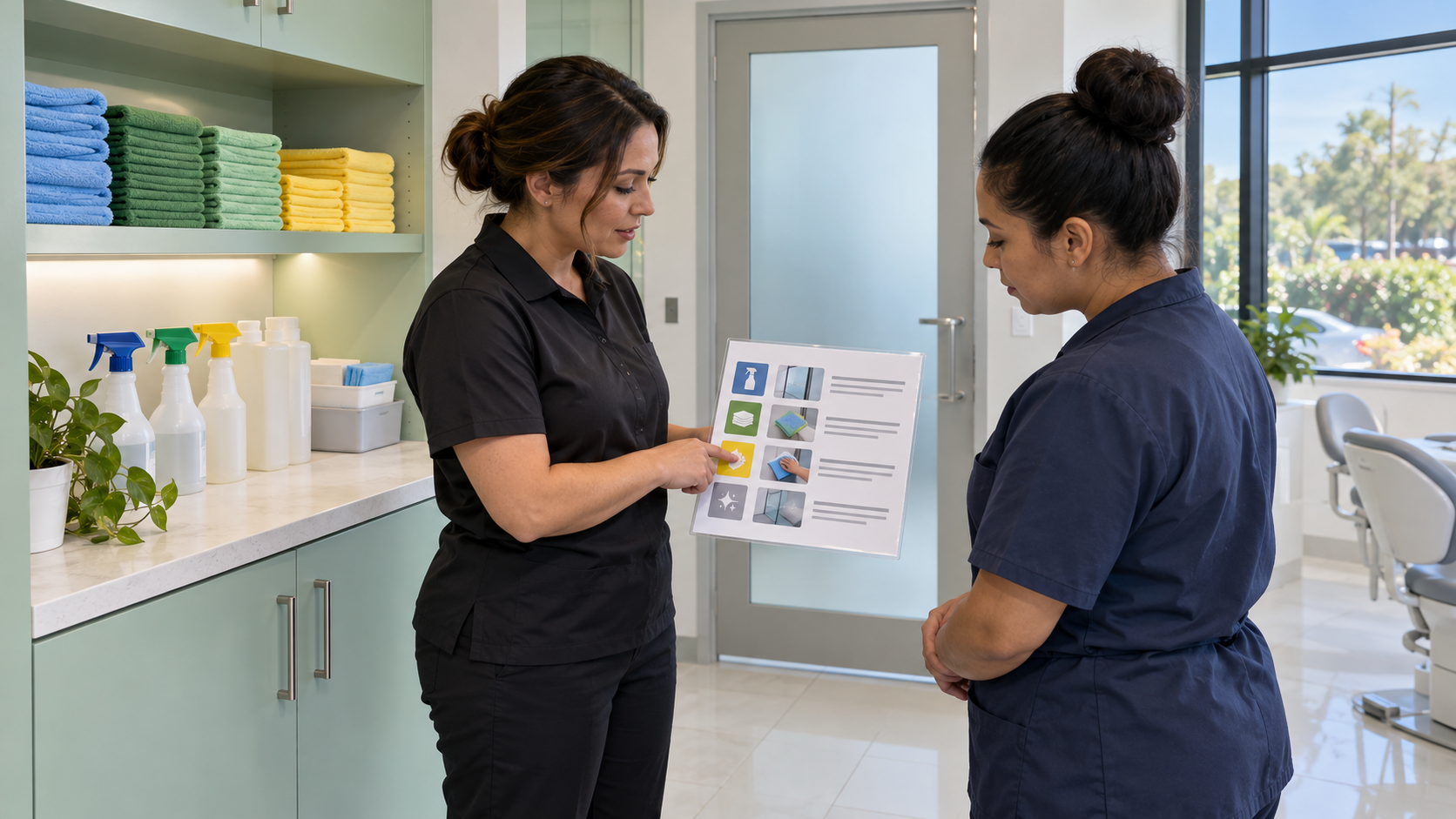
Warranty terms protect your coverage only if the people handling day-to-day cleaning know them. A facilities manager who understands the approved products and methods but never clearly communicates them to the janitorial staff or contracted cleaning crew hasn’t closed the gap. A short written summary of approved products and prohibited practices, posted where cleaning supplies are stored or included in a cleaning contract’s scope of work, is a practical way to ensure the requirement doesn’t rely on informal word-of-mouth training that can break down during staff turnover.
Comparison Table
| Maintenance Practice | Warranty Status |
|---|---|
| Mild soap and water with a soft cloth | Generally warranty-safe; confirm against your specific terms |
| Ammonia-based glass cleaner | Common cause of voided coverage |
| Abrasive scrubbers or sharp tools | Common cause of voided coverage |
| Repairs by an authorized installer | Generally preserves coverage |
| Repairs by an unauthorized contractor | Common cause of voided coverage |
| Documented cleaning schedule and products used | Strengthens your position for any future claim |
Conclusion
Properly maintaining commercial window tint means more than just keeping it visually clean. It means understanding and following the specific terms of your manufacturer’s warranty, since common practices like using ammonia-based cleaners, abrasive tools, or unauthorized repairs can void coverage even without causing obvious, immediate damage. Checking your warranty documentation, training in-house staff on approved practices, and keeping basic maintenance records protect your investment, not just a general sense of keeping the film clean.
Frequently Asked Questions
How do I find out what my specific warranty requires?
Check your original installation paperwork or contact your installer directly, since warranty terms vary significantly by manufacturer and you shouldn’t assume them based on general guidance.
Does a single instance of using the wrong cleaner automatically void my entire warranty?
This depends entirely on your specific warranty terms, so review your documentation or contact your installer directly if you’re concerned about past cleaning practices, rather than assuming the worst.
Is it worth asking my installer for a written list of approved cleaning products?
Yes, having a specific, written list makes it much easier to train staff correctly and avoid ambiguity about what’s actually approved under your warranty.
Do residential window film warranties have the same requirements as commercial ones?
Terms can differ between residential and commercial products, so confirm your specific warranty requirements rather than assuming residential guidance applies to a commercial installation.
What should I do if I’ve already used a cleaning product I’m not sure is approved?
Contact your installer or the manufacturer directly for clarity, since knowing now is better than continuing an uncertain practice or waiting until a claim to find out.
Does documentation really make a difference in a warranty dispute?
Yes, records of your maintenance practices give you something concrete to reference, which is generally stronger than relying on memory or assumptions if a claim is ever questioned.
Should I include our commercial window tint maintenance requirements in a broader facilities cleaning contract?
Yes, if you use a contracted cleaning service, specifying approved products and methods directly in the contract helps ensure the requirement isn’t left to the crew’s discretion.
Do warranty terms ever require professional cleaning, or is that always optional?
This varies by manufacturer and product, so the only reliable way to know whether professional cleaning is required or simply recommended for your installation is to check your specific warranty documentation.
How do I make sure staff turnover doesn’t lead to warranty-risking cleaning mistakes?
A written, posted summary of approved products and prohibited practices, rather than relying on verbal training passed down among employees, helps ensure the requirement endures staff turnover.
Does the film’s location within a building affect which warranty terms apply?
Generally, warranty terms apply to the product and installation as a whole, not by specific window location. However, it’s worth confirming this in your documentation if you have concerns about a particular area.
Protecting Your Commercial Film Investment?
Understanding your specific warranty terms is the first step toward properly maintaining your commercial window film.
Contact Campbell Window Film to discuss your property’s maintenance needs and warranty coverage.